Access to the full text of the entire article is only available to members of institutions that have purchased access. If you belong to such an institution, please log in or find out more about how to order.
Dance studies range widely: from phenomenological approaches that emphasise the experience of movement; through focus on techniques; to the placing of works in a historical or political context.
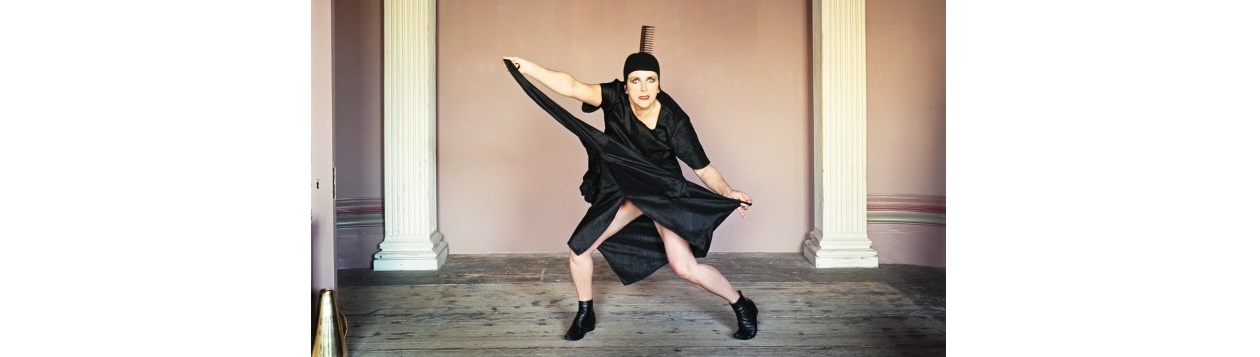
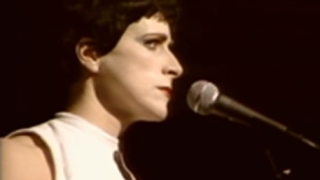
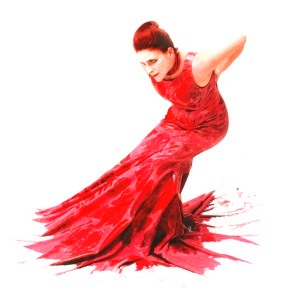
A relentlessly monochrome solo performance inspired by avant garde grotesque dancer Valeska Gert, this defiant work explores female sexuality, mixing humour, absurdity, dignity and vulnerability.
NowHere Part II, Kasturi explores the psychological complexities of diaspora through digital projections, contrasting soundscapes, and an onscreen double, ultimately creating a rich tapestry that examines fragmented identity, cultural displacement, and the elusive concept of home in a globalized world.
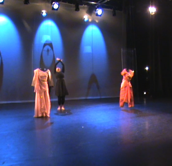
A film made by Rekha Tandon’s company, Dance Routes, that begins with a description of Odissi’s background as a temple dance tradition, and an account of its basic form and ornamentation.
Stacey and Imogen share insight into their thinking and considerations around racial equity in dance. Through exploring the work of the TIRED movement and their current 3-year research project looking at representation in dance training and education (Red Research Project), they discuss the importance of removing the fear of discussing racism in dance and acknowledging the need for good practices to be adhered to within the dance industry. Through reflecting upon her personal and professional experiences, Stacey advocates for a unitedness and bringing together of the dance community, an openness of communication and a greater celebration of the pioneers and origins of dance influenced by Black culture. Stacey and Imogen highlight the value of giving voice to students and practitioners within the field and a quest to work collectively to improve racial equality and representation in the dance industry.
In this thought-provoking episode, Laura offers insight into her experiences as a researcher and educator and shares her thinking around notions of archive in relation to contemporary dance practice. Throughout the episode, Laura encourages listeners to challenge how we might re-think the archive and introduces ideas around originality, provenance, and the body as an archive, where the journey begins and understanding remains.
In this episode, Sarah shares insight into her background as a researcher and her research across dance and occupational performance settings. Gemma and Sarah discuss Sarah’s interests in applying scientific principles to a dance context and how researchers can assist dancers with the training and performance demands they may face. Throughout the episode, they explore the wider considerations around supporting the individual in their dance pursuit through the importance of open communication and finding effective ways of working collaboratively between the researcher, artist and practitioner. Sarah highlights the value of dance science education and the need for a greater understanding around the nuances of dance practice within research settings.
In this episode, Alexandra shares insight into her experiences as an artist, researcher and somatic movement educator. Through situating her thinking in her research practice, we explore ideas around collaborative practices and experimental methods of festival making, the cultures of practice in dance, and the centrality of the body. Throughout this episode, Alexandra reflects upon her positionality as a researcher and the importance of sharing the voices of the people she researches to ensure their visibility is known.
In this episode, Polly shares insight into her experiences as a dancer, maker, researcher, teacher and gardener. Through situating her thinking in her practice and life we explore notions of care, rest and kindness as ethical stances, and as vital components of an artistic methodology that places ecological consciousness at its core.
Catherine, an educator and researcher, explores the intersection of functional and aesthetic dance performance components while discussing methodological approaches for validating dance-specific measures and emphasizing the importance of interdisciplinary collaboration and maintaining openness to new perspectives in her field.
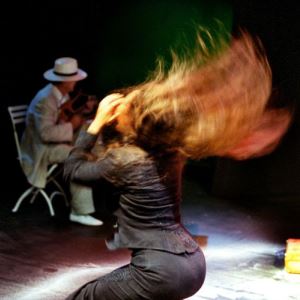
Divas Dance Theatre are a British performance collaborative comprised of Liz Aggiss and Billy Cowie, who have been working together since 1980. Their work incorporates elements of theatre vaudeville.